What is ESG?
ESG stands for Environmental, Social, and Governance. These three pillars reflect the key areas in which companies are expected to disclose their performance. At the core, ESG’s goal is to capture all the important non-financial risks and opportunities happening in a company’s everyday operations.
Join us as we take you through our world of ESG and its impact on our business, sustainability, and the future.
Three pillars
1. Environmental
Panda is always looking for new ways to protect our planet.
We promise to reuse, repurpose & recycle your waste by leading the field in the circular economy, improving services in our communities while reducing our carbon footprint. Each year we handle 4.9 million tonnes of ‘waste’.
Fully committed to our ‘zero-disposal’ ambition, we are proud of:

Reducing our emissions
In 2025, we produced 60,493 tCO2e of Scope 1 and 8,717 tCO2e of Scope 2 emissions managing our customer waste. Our Scope 2 market-based emissions are now zero, following our move to renewable power purchase agreements. We continue to invest in solar power, green fleet and fossil fuel alternatives, and we have quantified our Scope 3 emissions to give our customers more detail on the carbon footprint of waste management.
4.9 million tonnes handled
As Irelands leading provider of sustainable waste management services, we managed 4.9 million tonnes for processing, recycling, re-use and recovery, reaching a recycling and recovery rate of 82% across the group in 2022.
Solar energy
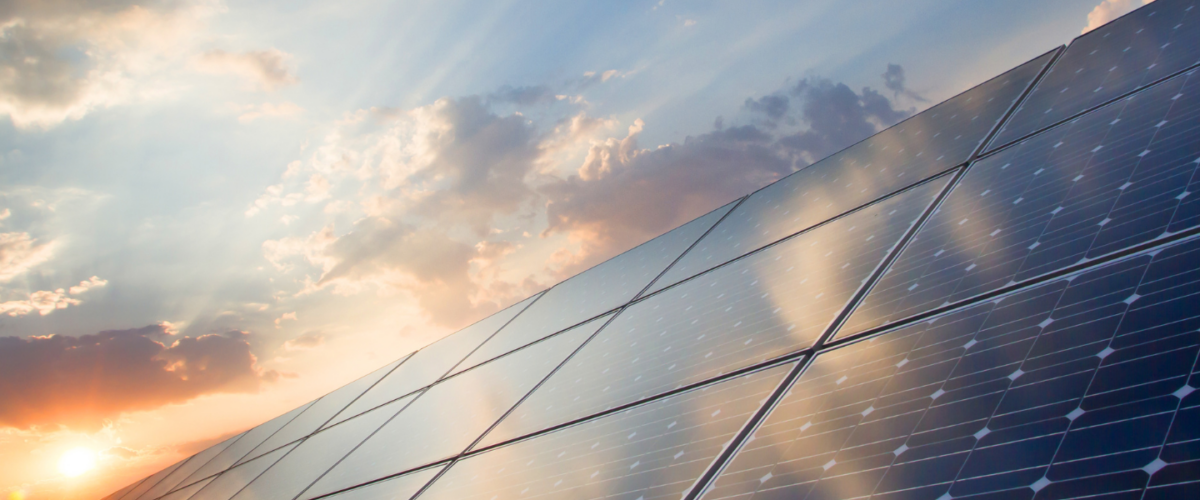
By the end of 2025, we had installed 5.3MW of solar panels across our rooftops, generating over 3,062MWh of solar energy for the year. We continue to roll out solar across our facilities, prioritising the sites with the highest energy use.
Getting creative with renewable energy
Just because we can’t reuse, recycle, or repurpose it, it doesn’t mean we send it to landfill. Instead, we turn non-recyclable items, food waste and biogas into:
Just because we can’t reuse, recycle, or repurpose it, it doesn’t mean we send it to landfill. Instead, we turn non-recyclable items, food waste and biogas into:
Sustainable energy
In 2025 we produced 71,328 MWh of renewable electricity via our biogas, biomass and solar operations. This means we generated 40% more energy than we consumed, providing a sustainable source of energy to the national grid.
Solid recovered fuel (SRF)
An alternative to fossil fuels, SRF is perfect for powering industrial facilities. Shredding refuse down to 40mm pieces, we generate 350,000 tonnes of industry-bound fuel a year.
Refuse derived fuel (RDF)
The best way to handle non-recyclable commercial waste… every year we turn 500,000 tonnes of it into fuel. That’s enough to power 100,000 homes and businesses!
Addressing climate change is paramount
We are committed to reaching net zero by 2040. Our Net Zero plan targets a 42% reduction in our carbon emissions by 2030, building to a 90% reduction by 2040 across Scopes 1 and 2, guiding our climate change and carbon management efforts.
We are committed to reaching net zero by 2040. Our Net Zero plan targets a 42% reduction in our carbon emissions by 2030, building to a 90% reduction by 2040 across Scopes 1 and 2, guiding our climate change and carbon management efforts.