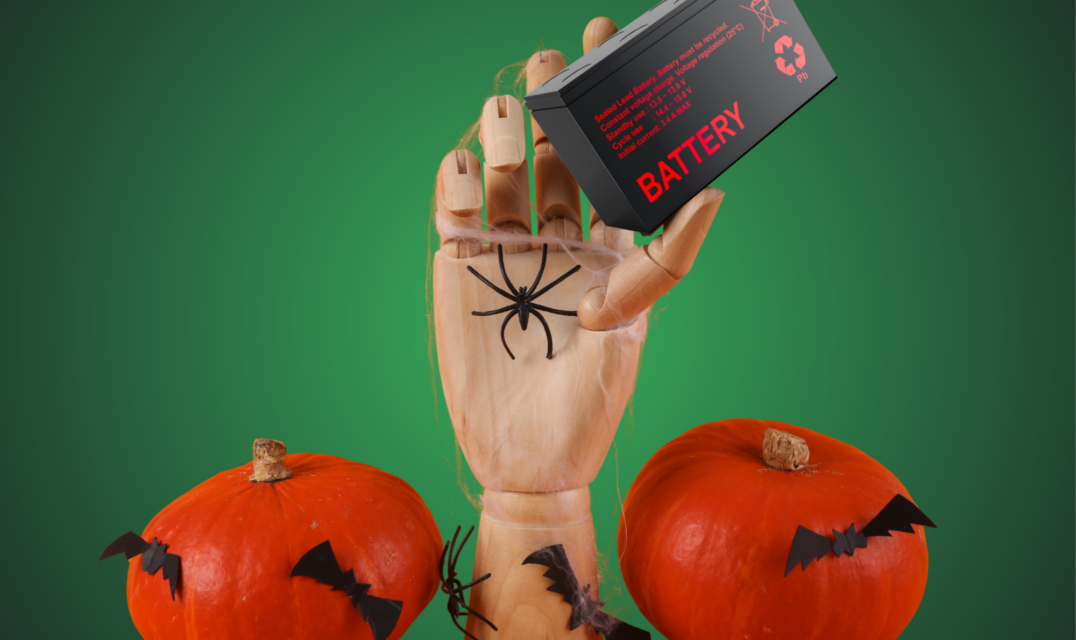
People bring out all kinds of decorations at Halloween. Flashing pumpkins, talking skeletons, and the occasional cackling witch all add to the spirit of the holiday, but once the parties and trick-or-treating are over, it’s time to take everything down and decide what to pack away for next year and what needs to go.
Many of them contain electrical components, which means they need a little extra thought when it’s time to say goodbye. Your broken set of ghost lights might look like ordinary rubbish, but they could actually be electronic waste.
At Panda, we know there’s value hiding in the things you throw away. When it comes to electrical waste, knowing where it belongs can help give valuable materials a new purpose. And sometimes, it only takes a WEEE bit of sorting to make a difference.
There’s More E-Waste at Halloween Than You Might Think!
You probably know that old televisions, laptops and mobile phones count as electronic waste. But Halloween decorations? They might not be the first things that come to mind.
Recent research by Coyne Research for ERP Ireland highlights how common these items are. 36% of Irish adults own electric candles or decorative lights, while 7% own battery-operated Halloween costumes. Interestingly, 3% reported throwing battery-operated Halloween costumes in the bin during the previous 12 months, while another 3% reported recycling them.
Think battery-operated ghosts, flashing LED pumpkins, animated skeletons, electronic masks, and light-up costumes. When these decorations reach the end of their useful life, they’re classed as Waste Electrical and Electronic Equipment, better known as WEEE.
Thankfully, there’s an easy way to recognise it. If something has a plug, battery or cable, chances are it does not belong in your household bin.
Why Electronic Waste Does Not Belong in Your Household Bin
There’s a good reason why electrical waste shouldn’t go into your general waste or recycling bin, even if the items are small enough to fit. Electronic products often contain valuable materials, including copper, aluminium and other metals. Through specialist recycling and recovery processes, some of these materials can be used again.
However, electrical items can also contain components that need careful handling, particularly batteries. When batteries are crushed or damaged during waste collection and processing, they can cause fires. Lithium-ion batteries are a particular concern because of the risks associated with damage and overheating.
So, while everyday recyclable packaging belongs in your green bin, electronic waste needs a different route. It might seem like a small distinction when you’re clearing up after a Halloween party, but it makes a real difference to how materials are handled.
Where Can You Recycle Halloween Electronics in Ireland?
Local recycling centres are a good starting point, and we operate 16 across Ireland. Many electrical retailers also provide take-back services, including free recycling when you’re purchasing a similar item. Alternatively, you can also find suitable collection locations through the ERP Ireland’s Drop-Off Events Schedule.
Don’t forget about batteries! You can return used portable batteries free of charge to retailers that sell the same types, even if you’re not buying anything. If you can safely remove batteries from an electrical decoration, keep them separate for proper recycling.
Don’t Let Your Halloween Clean-Up Become a Horror Story
As you pack everything away, separate decorations that still work from anything that’s broken or reached the end of its useful life. Set aside broken electrical lights, electronic props, and battery-powered accessories for WEEE recycling. Then look at the other materials. Clean, dry and loose recyclable packaging can go into your green recycling bin. Suitable food waste belongs in the brown bin, while non-recyclable household waste goes into the general waste bin. If you’re unsure about a particular item, check our guide to what goes in each bin.
The key is to remember that not everything from the same Halloween party belongs in the same bin. A cardboard decoration, a leftover toffee apple, and a battery-operated pumpkin might all have been part of the celebrations, but each needs a different final destination.