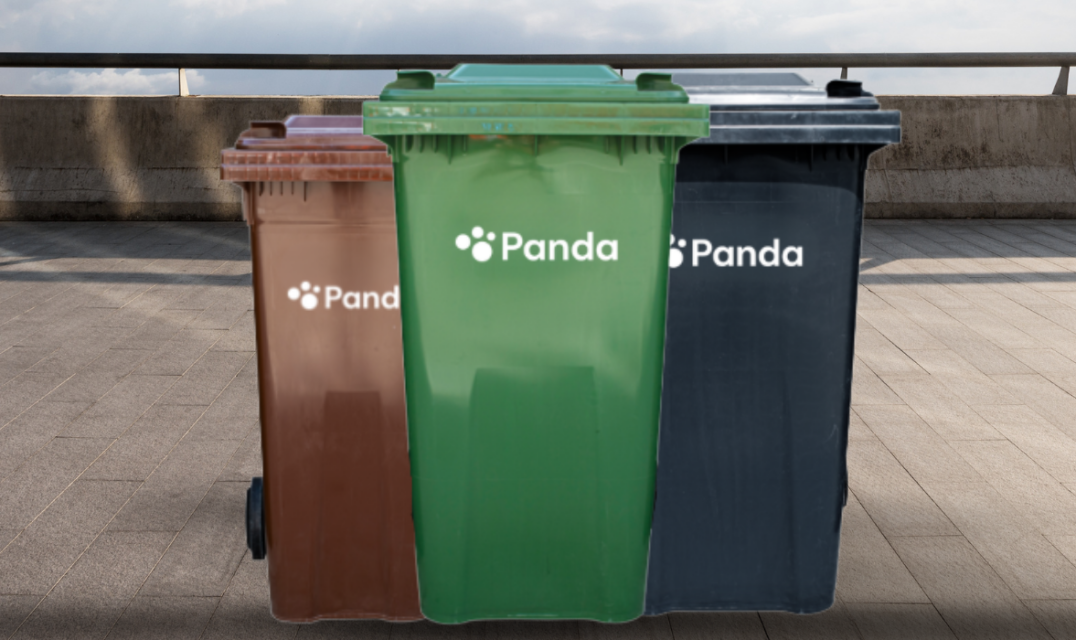
Earth Day on 22nd April is a reminder that sustainability doesn’t have to be overwhelming – at home or at work. By putting a simple three‑bin system in place for general waste, recycling and composting, you can make it easier for your family or your team to do the right thing.
Everyday choices, like which bin you use for your lunch packaging or coffee grounds, can make a big impact over the course of a week, a month or a year. When everyone knows what goes where, recycling becomes second nature.
This Earth Day, it’s a great time to check that your household or office is set up to use each bin for its proper purpose, so your waste can be recovered, recycled or composted instead of going to landfill – and you can do your bit for the environment without making life more complicated.
Why a Three‑Bin System Works
When recycling and composting are convenient, people are much more likely to use the right bin. A clearly labelled three‑bin set‑up makes it as easy as possible for your family or employees to put every item in the right place, every time. With Panda, this usually means:
- Recycling bin – for clean, dry and loose packaging like paper, cardboard, rigid and soft plastics, and tins and cans.
- Compost bin – for food scraps and suitable garden waste.
- General waste bin – for everything that can’t be recycled or composted.
Getting this first step right helps reduce contamination and support recycling efforts, which is essential for a more circular Irish economy.
What Goes in Your Recycling Bin?
Your recycling bin is designed for clean packaging and materials that can be given a second life, ensuring nothing goes to waste. You can put in:
- Paper and cardboard – newspapers, brochures, leaflets, cereal boxes, drink cartons, cardboard boxes and egg cartons.
- Rigid plastics – clean food containers, yoghurt tubs, drinks bottles, shampoo and detergent bottles, fruit and vegetable trays.
- Soft plastics – crisp packets, sweet wrappers, bread bags, plastic bags, bubble wrap and other flexible packaging.
- Tins and cans – pet food tins, drink cans, soup tins and biscuit tins.
Don’t put in clothes, glass, food‑contaminated materials, nappies, sanitary waste, or general waste; these belong in your general bin or can be disposed of at your local recycling centre.
What Goes in Your Compost Bin?
Your compost bin is for organic waste that can be turned into valuable resources, like energy or agricultural-grade compost, instead of going to landfill. You can put in:
- Food waste – all cooked and raw food scraps, meat and fish (including bones), breads, cereals, pasta, eggs and eggshells, fruit and vegetables, spoiled or out‑of‑date food.
- Tea and coffee – tea bags, coffee grounds and paper filters.
- Garden waste – grass cuttings, leaves, weeds, cut flowers and small plant trimmings.
- Other organic materials, such as pet hair.
Don’t put any soil and stones, ashes and coal, or nappies, pet faeces and litter into this bin. These can damage the composting process and should be placed in general waste or taken to a suitable facility.
What Goes in Your General Waste Bin?
Your general waste bin is for items that can’t be recycled or composted, and putting as little as possible in it is one of the most effective ways to reduce your environmental impact. But don’t worry, whatever we collect, we convert into renewable energy. This typically includes:
- Nappies and sanitary waste
- Food-contaminated packaging (for example, butter containers and greasy pizza boxes)
- Polystyrene coffee cups, Aeroboards and Styrofoam
- Plastic and tin foil, and wax-paper wrappings
- Items listed as unsuitable for recycling or composting, such as clothes and wallpaper
Lots of people assume they can put anything in the general waste bin, but this isn’t actually the case. Items such as glass, light bulbs, batteries, paint cans, syringes, and other hazardous waste need to be taken to a recycling centre.
Making the Three‑Bin System Easy to Use
Whether you’re managing a busy household or a small business, it’s important to make recycling as convenient as possible. A few simple steps make the three‑bin system part of everyday life rather than an extra chore for your family and employees.
Put all three bins where people actually need them, such as in kitchens, break rooms and high‑traffic areas, so it’s easy to choose the right bin for the right item.
- Use clear labels (or Panda’s simple posters and guides) to remind people what goes where and prevent common mistakes.
- Keep recycling instructions simple: “clean, dry and loose” for anything in the recycling bin to prevent the whole bin from being contaminated.
- Introduce simple incentives to keep everyone motivated – for example, run a “recycling champion” campaign or offer rewards when you hit waste‑reduction goals.
By familiarising your family or team with the three‑bin system and making it easy to do the right thing, you empower everyone to play a part in creating a more sustainable Ireland.
If you’d like to set up or upgrade to a full three‑bin service, Panda can provide general waste, recycling and compost bins and collect them on a schedule that works for you – all you have to do is put the right materials in the right bin, and we’ll take care of the rest. Contact us today to find out more about collections in your local area.